Dual Chamber Cartridge Pen vs. Prefilled: Why Dual Chamber Wins
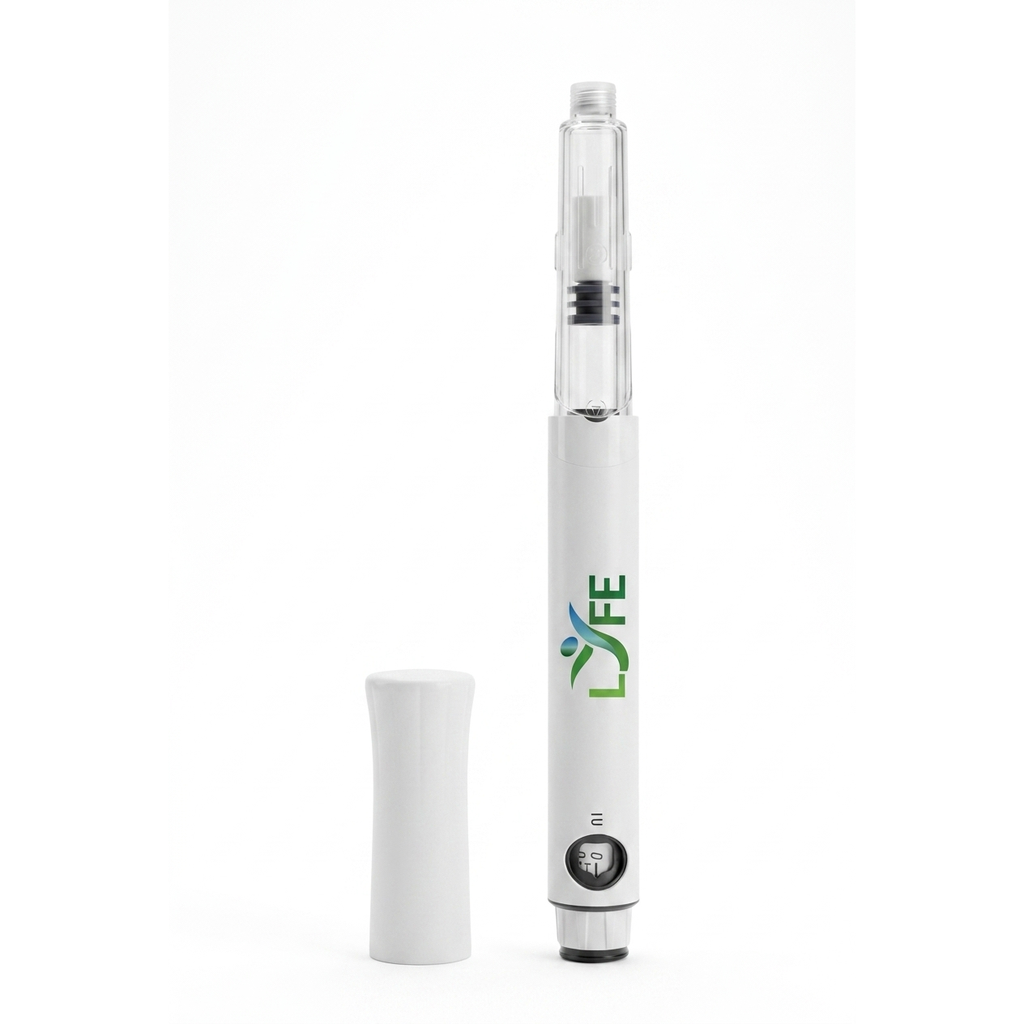

The Evolution of Peptide Delivery
Peptide delivery has come a long way from the days of manual reconstitution with vials and syringes. Today, researchers and end users have two primary options when it comes to pen-style injection devices: prefilled pens and dual chamber cartridge pens. While prefilled pens have been the industry standard for years, the dual chamber design represents a significant leap forward in stability, potency, and practicality.
Here’s why the dual chamber cartridge pen is the superior choice.
What Is a Dual Chamber Cartridge Pen?
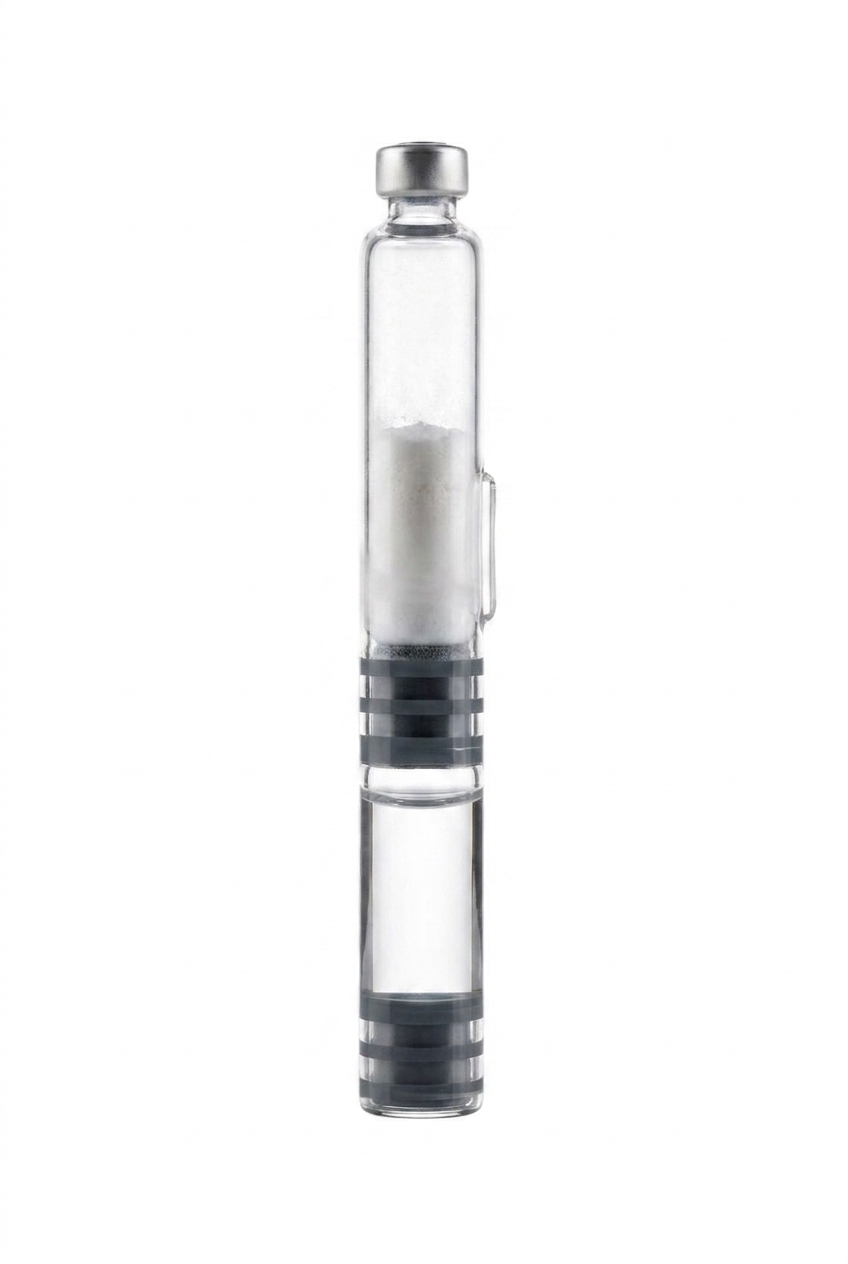
A dual chamber pen houses two separate compartments within a single cartridge – one containing the lyophilized (freeze-dried) peptide powder, and the other containing the sterile diluent (typically bacteriostatic water or saline). The two chambers are separated by a stopper that only breaks the seal when the user activates the pen for first use.
This means the peptide remains in its most stable, dry form right up until the moment it’s needed.
The Problem with Prefilled Pens
Pre-filled pens come with the peptide already reconstituted — the powder and liquid are pre-mixed by the supplier, making it harder to confirm telltale signs of when it was mixed or how it was stored. While this seems convenient, it introduces several critical drawbacks: reduced control over freshness, possible loss of stability over time, and higher risk if it was not stored or shipped properly.
1. Reduced Stability
Most peptides begin degrading the moment they’re dissolved in solution. Even with refrigeration, reconstituted peptides have a limited shelf life – often just 2-4 weeks before meaningful potency loss occurs. A prefilled pen that has been sitting in a warehouse, shipping container, or pharmacy shelf for weeks or months may have already lost a significant percentage of its active compound.
2. Cold Chain Dependency
Prefilled pens must remain refrigerated from the moment of manufacture through to the point of use. Any break in the cold chain – a warm delivery truck, a customs delay, a few hours on a loading dock – accelerates degradation. The end user has no way of knowing whether the cold chain was maintained.
3. No Visual Verification
With a prefilled pen, the solution is sealed inside an opaque or semi-opaque cartridge. The user cannot inspect the solution for particles, cloudiness, or discoloration – all signs of potential degradation or contamination.
Why Dual Chamber Wins
Maximum Potency at Point of Use
Because the peptide stays lyophilized until activation, a dual chamber pen delivers full-strength compound every time. There is zero degradation from sitting in solution. The peptide you receive is as potent as the day it was manufactured.
Extended Shelf Life
Lyophilized peptides stored properly can remain stable for 12-24 months or more – compared to just weeks for reconstituted solutions. This means less waste, more flexible inventory management, and confidence that the product is viable when you need it.
Reduced Cold Chain Risk
While refrigeration is still recommended, lyophilized peptides are far more tolerant of brief temperature excursions than liquid solutions. A dual chamber pen can withstand shipping conditions that would compromise a prefilled pen.
On-Demand Reconstitution
The user controls exactly when mixing occurs. This is especially valuable for peptides with shorter stability windows post-reconstitution. Mix it when you’re ready to use it – not when a factory decided to.
Visual Confirmation
During the mixing process, the user can observe the powder dissolving into solution. A clear, particle-free solution confirms proper reconstitution. Any issues are immediately visible.
Precise Dosing
Dual chamber pens with click-dial mechanisms allow for precise, repeatable dosing – typically in increments as small as 0.01 mL. Combined with fresh reconstitution, this ensures accurate dosing of a fully potent compound.
The Convenience Factor
Some argue that prefilled pens are “more convenient” since there’s no mixing step. But the mixing process on a modern dual chamber pen takes less than 30 seconds – you simply twist or press to break the internal seal, gently roll the pen, and you’re ready. That half-minute of effort buys you:
- Guaranteed full potency
- Months of additional shelf life
- Reduced risk from shipping and storage
- Visual verification of product quality
That’s a trade-off worth making.
Head-to-Head Comparison
| Feature | Prefilled Pen | Dual Chamber Pen |
|---|---|---|
| Peptide stability | Degrades from day of manufacture | Stable until activation |
| Shelf life | 2-4 weeks (reconstituted) | 12-24 months (lyophilized) |
| Cold chain sensitivity | High – must remain refrigerated | Lower – tolerates brief excursions |
| Visual inspection | Not possible | Full visibility during mixing |
| Potency at use | Unknown – depends on age and handling | Maximum – freshly reconstituted |
| Convenience | No mixing required | 30-second mix step |
| Dosing precision | Fixed or limited | Click-dial precision |
| Waste reduction | Higher – expired stock common | Lower – long shelf life |
The Bottom Line
The dual chamber cartridge pen isn’t just a marginal improvement – it’s a fundamentally better delivery system. By keeping the peptide in its most stable form until the moment of use, it solves the biggest problems with prefilled pens: degradation, cold chain vulnerability, and unknown potency.
For anyone serious about peptide research or therapeutic use, the dual chamber pen is the clear choice. A 30-second mixing step is a small price to pay for a product that actually works as intended.
At Peptide Marketplace, our Pen uses dual chamber cartridge technology to ensure maximum potency and precision with every dose. Shop the Pen →
Leave a Reply